

I've a lot of
"questions"


Parents are "ageing". What can I do about it?
Actually, there is a lot you can do to make it better for them, and yourself.
We understand that ageing may not feel like a big problem right now. When nothing feels like a crisis, you tell yourself you'll figure it out if things get worse. But care doesn't, and shouldn't, usually begin with a crisis. Sometimes, a little help at the right time can make a big difference.

I am too far, folks are getting old. I want to "care" but…
Caring for your folks doesn't always mean being there yourself. Sometimes, it means making sure someone is.

How can I "trust" a stranger to take care of my folks?
Honestly, you can't. Not immediately.
You're bringing someone into your home to care for someone you love. It's natural to wonder who this person is, how they'll treat your folks and whether you'll be comfortable having them around their routines, privacy and everyday lives. Trust takes time. Let it happen.
Shouldn't "family" be providing care?
Of course. And you probably already are, more than you realise. But love and practical care are different things. When care becomes a list of tasks, it can quietly change the relationship. Someone else helping doesn't replace you. Sometimes it protects what matters most.
What if I just get a maid or someone to help with the "extra work"?
It might work. Genuinely. But there's a difference between helping around the house and being responsible for care. A maid can cook and clean. A caregiver notices the smaller bits. The problem isn't the person. It's that the responsibility is different.

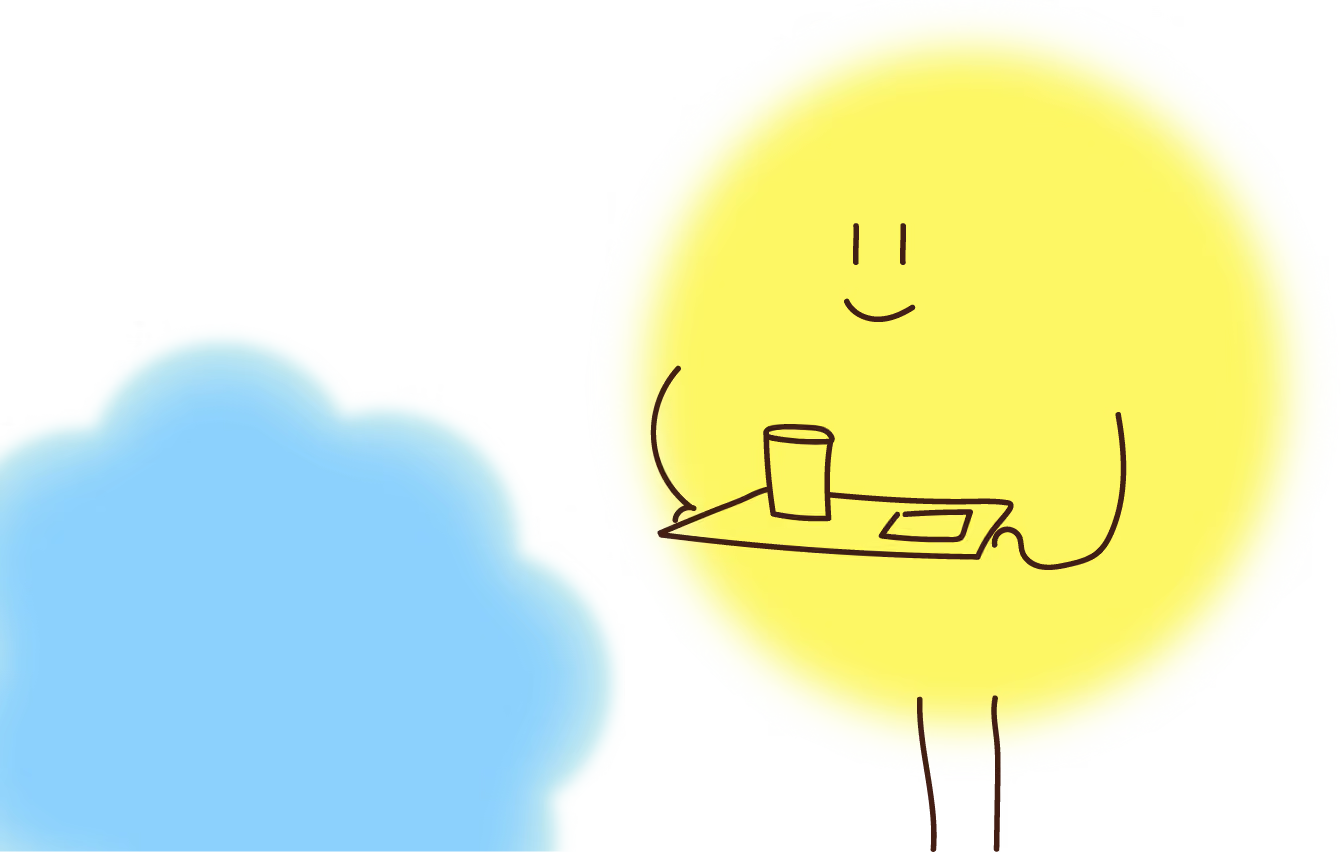
But a caregiver,
notices that your mother hasn't eaten properly for two days.
But a caregiver,
remembers the medicine.
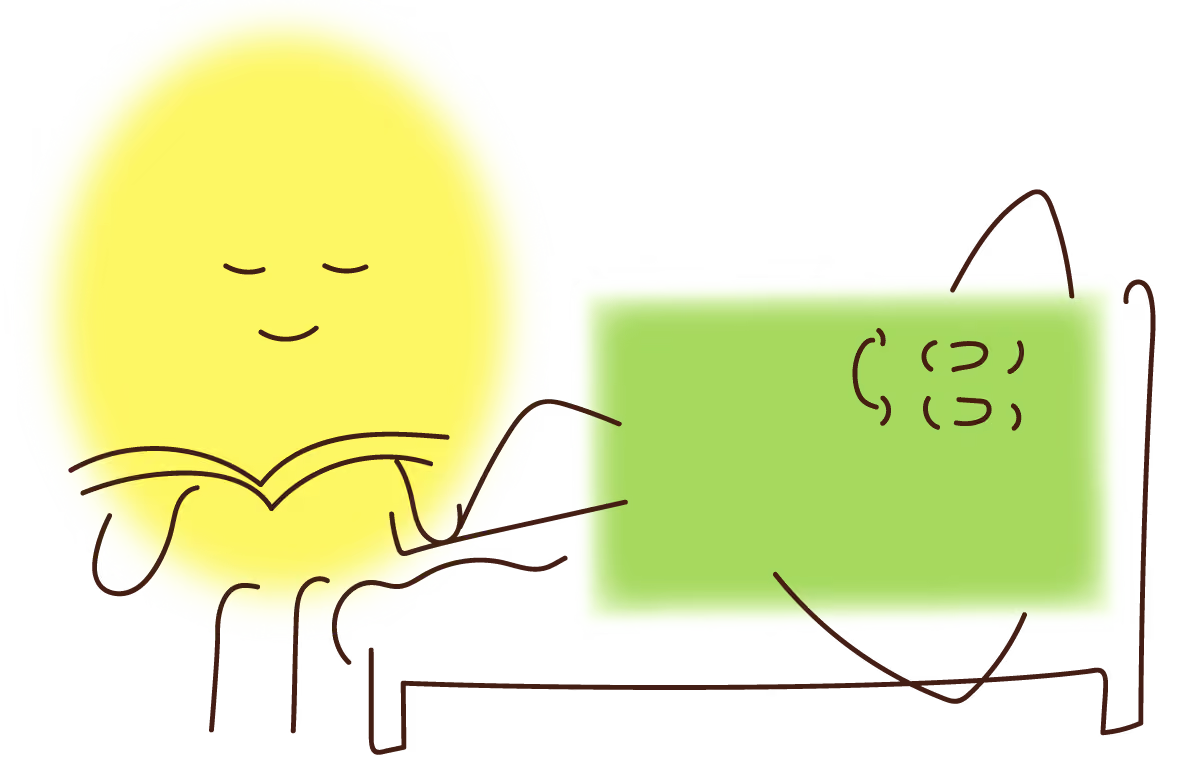
But a caregiver,
knows the change in sleep pattern.
Do we really need someone "24 hours" a day?
Honestly, you might not. A few hours a day may be enough.
But ageing works quietly. And having someone there with your folks consistently means these smaller issues get noticed before they become big problems.
We’ve just found out it’s dementia. What can we do?
A diagnosis can make you feel like there’s nothing left to do. But there usually is.
There is a lot that can be done early to make the days ahead a little easier. Keeping them engaged. Patiently helping them remember. Building routines and relationships that can support them when things get harder. You don't have to wait for things to get bad before you start thinking about care. Sometimes, starting earlier simply means being better prepared for what comes next.
After something like a stroke or heart attack, the days that follow can change a lot of things. There are medicines to remember, new routines to follow, movement to manage and sometimes small changes that are easy to miss when nobody is around. Having someone there doesn't change what happened. But it can definitely make it easier to respond, recover and adjust to what comes next.
My folks had a fall. What should I do now?
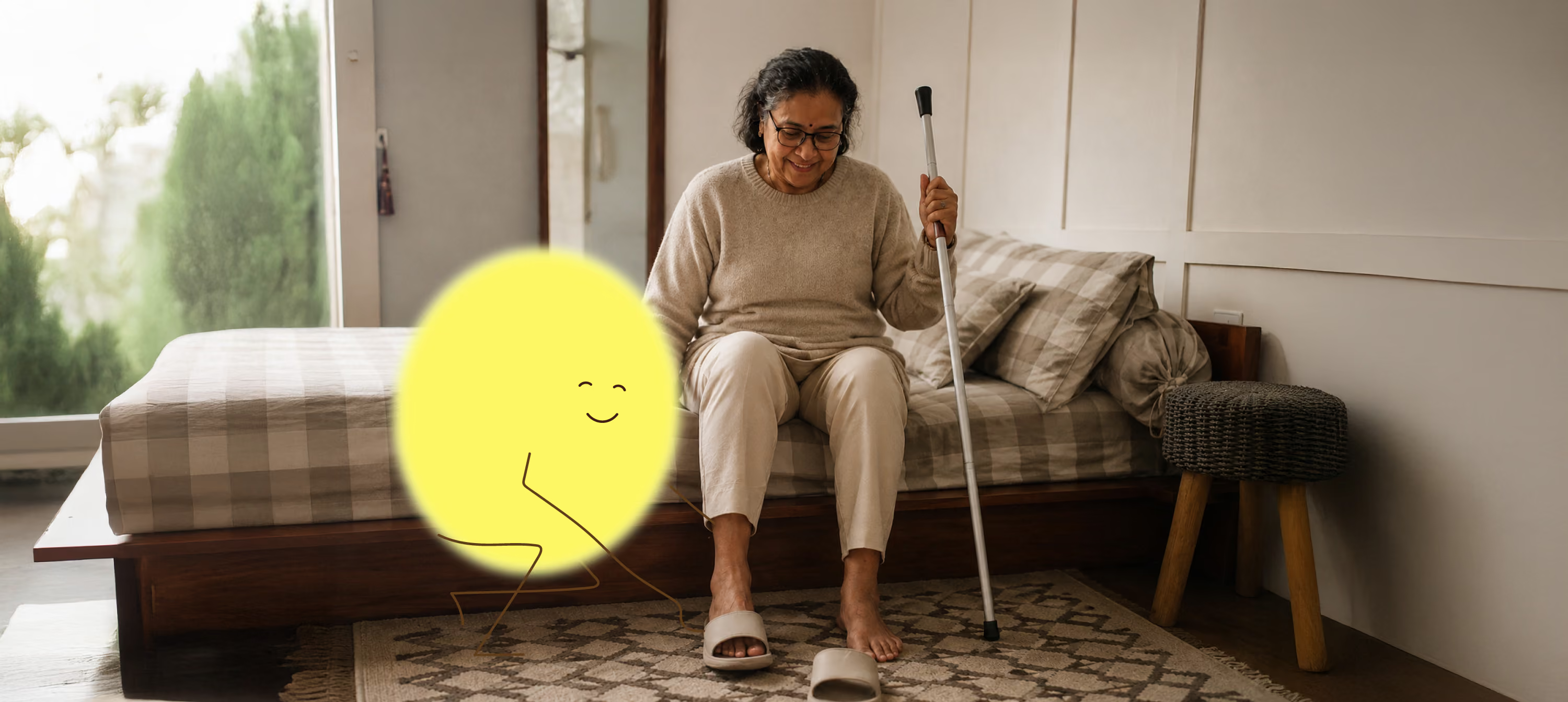
A fall can make someone feel less confident about doing things they were doing on their own before.
We already have a caregiver. How is this going to be any different?
We won't assume the person is the problem.
When care doesn't work, it's easy to replace the caregiver and end up in the same situation. Because the problem often isn't the person. It's the lack of support around them. Someone to guide them.
Better care doesn't always need a different person. It needs a better system around the person you already have.